
Demonstrate programme impact and value for money.
Situation analysis, MEAL, programme costing and return on investment for NGOs, INGOs, donors, governments and patient groups.


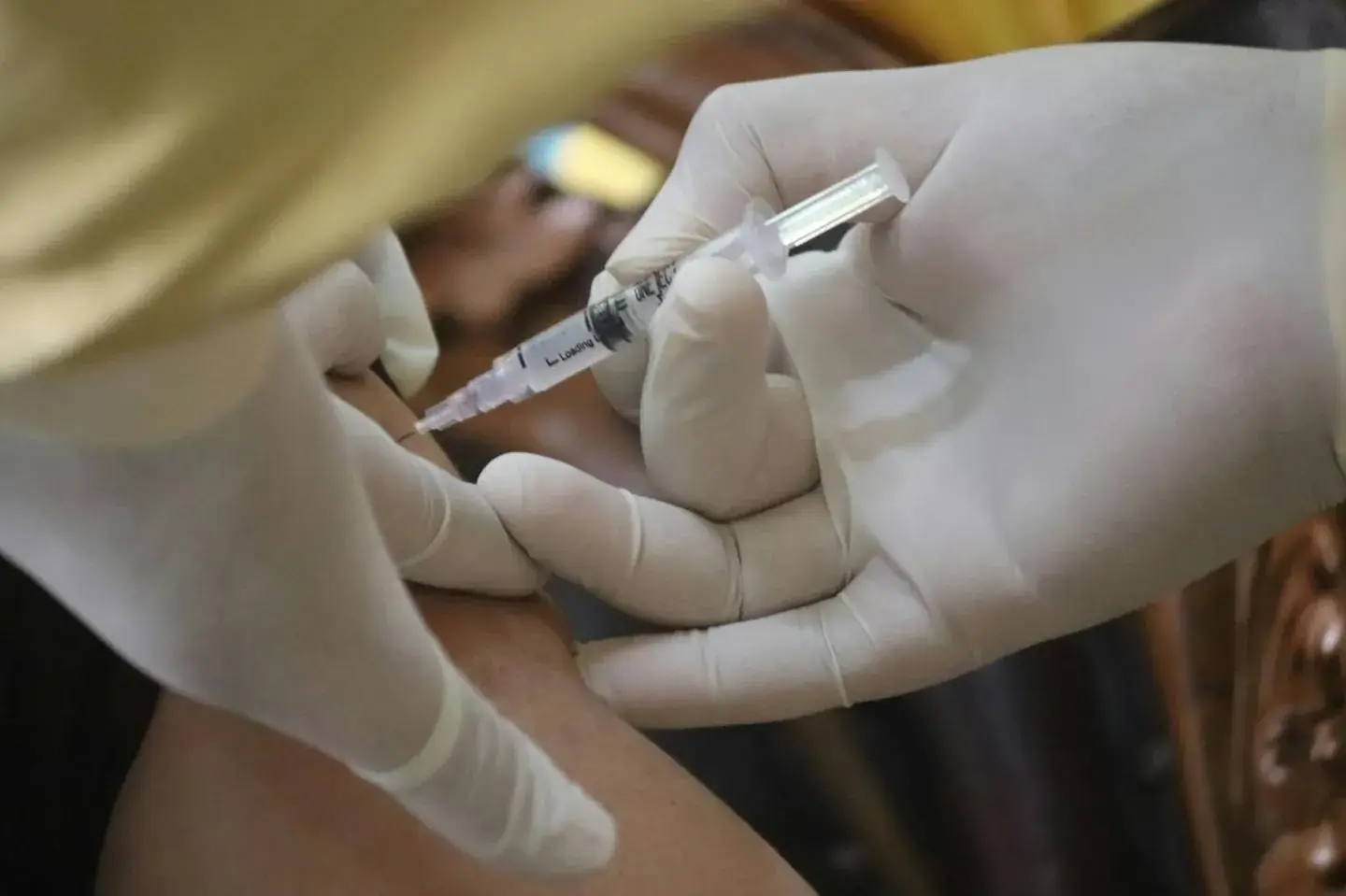
Donors and governments expect evidence of value for money.
Most programmes do real good. We help them show it, with the numbers that make the case for funding.
Field experience and health economic rigour.
Our founder trained as a doctor and worked on public health programmes with UNICEF headquarters, WHO, UNFPA and USAID before moving into health economics and HTA.
- What does our programme cost per outcome?
- How do we show donors value for money?
- Which indicators belong in our MEAL framework?
- How do we turn evidence into policy change?
Research and situation analysis
Know the ground before you design the programme.
- Desk research and literature reviews
- Situation and needs analysis
- Stakeholder mapping and political economy analysis
- Formative research, baseline studies and surveys
- Health system and policy landscape reviews
Monitoring, evaluation, accountability and learning (MEAL)
Track what a programme does, and learn from it while there is still time to change.
- MEAL frameworks, theories of change and results frameworks
- Indicator design, data collection tools and dashboards
- Supportive supervision and routine monitoring
- Baseline, midline and endline surveys
- Process, outcome and impact evaluation
- Learning reviews and donor reporting
Programme costing, value and return on investment
How much a programme costs, what it achieves, and whether it is worth funding.
- Programme and intervention costing
- Return on investment and social return on investment (SROI)
- Cost-effectiveness and budget impact for public health interventions
- Investment cases and business cases for donors and governments
- Evidence reviews and evidence gap maps
Pro bono partnerships
Senior time set aside each year for community organisations, charities and patient groups.
- Pro bono partnerships with community organisations, charities and patient groups
- Costing, evaluation or evidence help for a funding application or report
- Advice on making the case to donors and decision makers
- Write to info@evidaxia.com with a short note on your organisation and programme
What a programme returns on investment.
Change the budget and coverage. Return on investment has a sweet spot, and funders want to see it.
Illustrative data and models, for demonstration only.

Pro bono partnerships for community and patient organisations.
Each year we set aside senior time for pro bono work with community organisations, charities and patient groups whose work deserves strong evidence. Tell us about your programme and we will explore how we can work together.
Propose a partnershipSituation analysis to programme decisions.
- 01
Situation analysis
Desk research, needs assessment and stakeholder mapping.
- 02
MEAL
Frameworks, indicators, surveys and evaluation.
- 03
Economic evaluation
Costing, cost-effectiveness and return on investment.
- 04
Advocacy
Policy briefs, campaigns and media.
Our analysis on this.
US MFN drug pricing: what it means for UK and European launches
US MFN drug pricing explained: GLOBE, GUARD and GENEROUS, reference baskets, the GDP (PPP) adjuster and what it means for UK, Irish and EU launch prices.
Read the analysisGLP-1s in 2026: the price fell, the access gap did not
HTA and payer decisions for GLP-1 obesity medicines across the US, England, France, Germany and Ireland.
Read the analysisAI in global HTA: where the guidance stands
Only one of eleven major HTA bodies has a full position statement on AI in evidence generation.
Read the analysis“The evaluation was rigorous and, just as importantly, readable. The findings fed directly into our donor reporting and shaped the next phase of the programme.”
Client names are withheld at their request for confidentiality.